Finding mold on walls can be scary and unpleasant at the same time. Those dark, fuzzy spots or wet streaks aren’t simply ugly; they’re an indication of a moisture problem that could be hurting your home and your health. Mold is more than just a cosmetic problem; it’s a biological development that flourishes in damp, humid places like your bathroom, bedroom, kitchen, or basement. If you don’t eradicate it right away, it can spread swiftly.
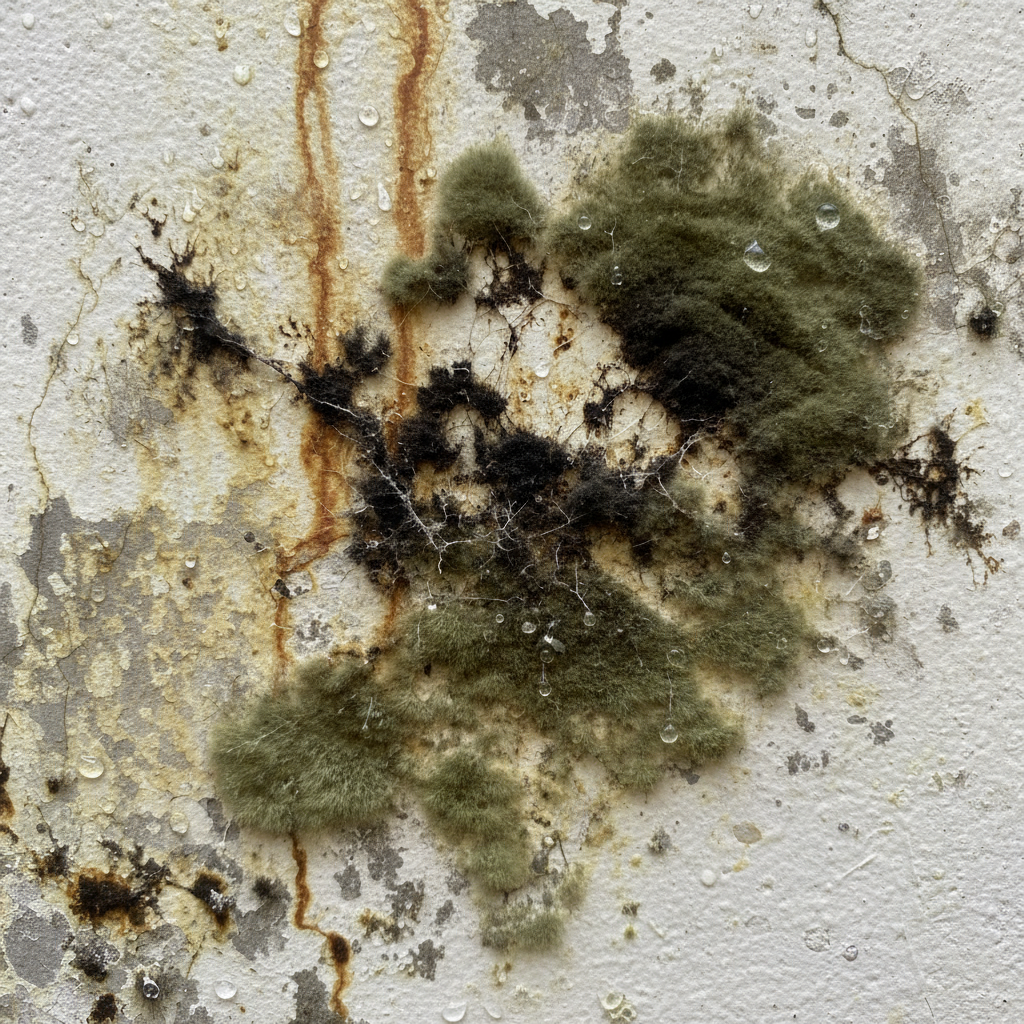
Mold on walls sometimes grows without anyone seeing, like behind furniture, under wallpaper, or in corners where air doesn’t flow well. It can degrade plaster, destroy paint, and release spores that float around in the air you breathe over time. People with asthma, allergies, or sensitive lungs can cough, sneeze, get skin rashes, and possibly have more significant health problems if they are among mold spores for a long time.
To keep your house safe and healthy, you need to know what causes mold on walls, how to spot it early, and how to clear it and stop it from coming back. This tutorial covers everything from how mold grows to how to stop and remove it.
After reading our detailed article, you’ll know exactly how to deal with mold on your walls, keep your home’s structure secure, and keep everyone who lives there healthy.
What Is Mold, and Why Does Grow mold on Walls?
Mold is a fungus that grows best in warm, moist, and humid places. It makes more of itself by releasing microscopic spores into the air that can land and grow on practically any surface if there is moisture.
Mold grows best in damp places, such as walls that get wet from leaks, humidity, or bad ventilation. Aspergillus, Cladosporium, and Stachybotrys chartarum (also known as black mold) are some of the most prevalent types of mold that grow inside.
Common Causes of Mold on Walls

There are several reasons why mold develops on interior or exterior walls. Some of the most common include:
1. High Humidity
Rooms like bathrooms, kitchens, and basements often have higher moisture levels, making them more susceptible to mould.
2. Poor Ventilation
When air circulation is limited, moisture from cooking, bathing, or even breathing cannot escape, causing condensation to build up on walls.
3. Water Leaks
Leaky pipes, roofs, or gutters can allow water to seep into walls, leading to damp patches that encourage mould growth.
4. Condensation
In cold weather, warm indoor air meets cold walls, resulting in condensation. Over time, this moisture can fuel mold growth, especially in poorly insulated homes.
5. Flood Damage or Rising Damp
Water intrusion from the ground or flooding can saturate walls, providing a long-term breeding ground for mold spores.
How to Identify Mold on Walls
Recognizing mold early helps you address the problem before it spreads. Here are some telltale signs:
- Discoloration: Black, green, brown, or grey spots appearing on paint, wallpaper, or plaster.
- Musty Odor: A strong, earthy smell that lingers even after cleaning.
- Peeling Paint or Wallpaper: Moisture weakens adhesion, causing bubbling or peeling.
- Damp Patches: Persistent wet or dark areas on the wall surface.
- Health Symptoms: Increased coughing, sneezing, or respiratory discomfort among residents.
Health Risks of Mold on Walls
Exposure to mold can cause or worsen several health conditions, especially for individuals with allergies, asthma, or weakened immune systems.
1. Respiratory Issues
Mold spores can irritate the respiratory system, leading to coughing, wheezing, and shortness of breath.
2. Allergic Reactions
Common symptoms include sneezing, itchy eyes, runny nose, and skin rashes.
3. Asthma Triggers
For people with asthma, mold exposure can cause severe attacks and prolonged discomfort.
4. Toxic Black Mould
Stachybotrys chartarum (black mold) releases mycotoxins that can cause fatigue, headaches, and even neurological symptoms with long-term exposure.
How to Remove Mold from Walls
If you’ve spotted mould, it’s important to clean it properly to prevent recurrence. Here’s how:
Step 1: Safety First
Wear gloves, a mask, and protective eyewear. Keep the area ventilated while cleaning.
Step 2: Identify the Source
Fix leaks or improve ventilation before cleaning — otherwise, the mould will return.
Step 3: Clean the Affected Area
For small patches:
- Mix 1 part bleach with 3 parts water.
- Apply the solution using a sponge or spray bottle.
- Scrub the surface gently and let it sit for 10–15 minutes.
- Rinse thoroughly and dry the area.
Alternative natural solutions:
- White vinegar or baking soda can also be effective for minor mould.
Step 4: Dispose of Contaminated Materials
If mould has penetrated plaster, drywall, or insulation, these materials may need to be replaced.
Step 5: Repaint Carefully
Use mold-resistant paint after cleaning to help prevent future growth.
When to Call a Professional
If mold covers a large area (over 1 m²) or if you suspect black mold, it’s best to contact a professional mold remediation specialist. They use advanced equipment like HEPA filters, dehumidifiers, and antimicrobial treatments to eliminate mold safely and permanently.
How to Prevent Mold on Walls
Prevention is always better than cure. Implement these steps to stop mold from returning:
1. Control Moisture
Use dehumidifiers or ventilation fans in humid rooms.
2. Fix Leaks Promptly
Repair plumbing or roof leaks immediately to prevent dampness from spreading.
3. Improve Air Circulation
Keep furniture slightly away from walls to allow air to move freely behind them.
4. Insulate Your Home
Proper insulation reduces condensation, particularly in colder months.
5. Use Anti-Mould Paint
Apply anti-fungal or moisture-resistant paints in bathrooms and kitchens.
6. Regular Cleaning
Wipe down surfaces prone to condensation and ensure windows are opened regularly.
Long-Term Effects of Ignoring Mold on Walls
If left untreated, mold can cause:
- Structural damage (weakened plaster or drywall)
- Permanent staining
- Worsening indoor air quality
- Increased health risks
- Reduced property value
Addressing mold early protects both your home and your health.
FAQs
1. Is mold on walls dangerous?
Yes. Prolonged exposure can cause allergic reactions, respiratory problems, and even toxic effects if black mold is present.
2. Can I paint over mold?
No. Painting over mold only hides the problem temporarily. The mold will continue to grow beneath the paint.
3. How can I stop mold from returning?
Identify and eliminate the moisture source, clean the area thoroughly, and improve ventilation.
4. Is mold removal covered by insurance?
In many cases, insurance only covers mold caused by sudden water damage, not long-term neglect. Check your policy for details.
5. What’s the difference between mildew and mold?
Mildew usually appears as a powdery white or grey film on surfaces, while mold is darker, thicker, and more deeply rooted in materials.
Conclusion
Mold on walls is more than just a cosmetic concern; it’s a warning that your house has a moisture problem. You can protect your home and family by knowing what causes it, how it affects health, and how to stop it.
You can keep your home healthy, dry, and mold-free by making sure it has enough air flow, fixing leaks right away, and utilizing materials that don’t grow mold.
If mold keeps coming back, don’t be afraid to get professional help. It’s the best approach to make sure your home stays clean and safe. you can contact us anytime.