Green Mold on Walls: Causes, Dangers, and Effective Removal Tips
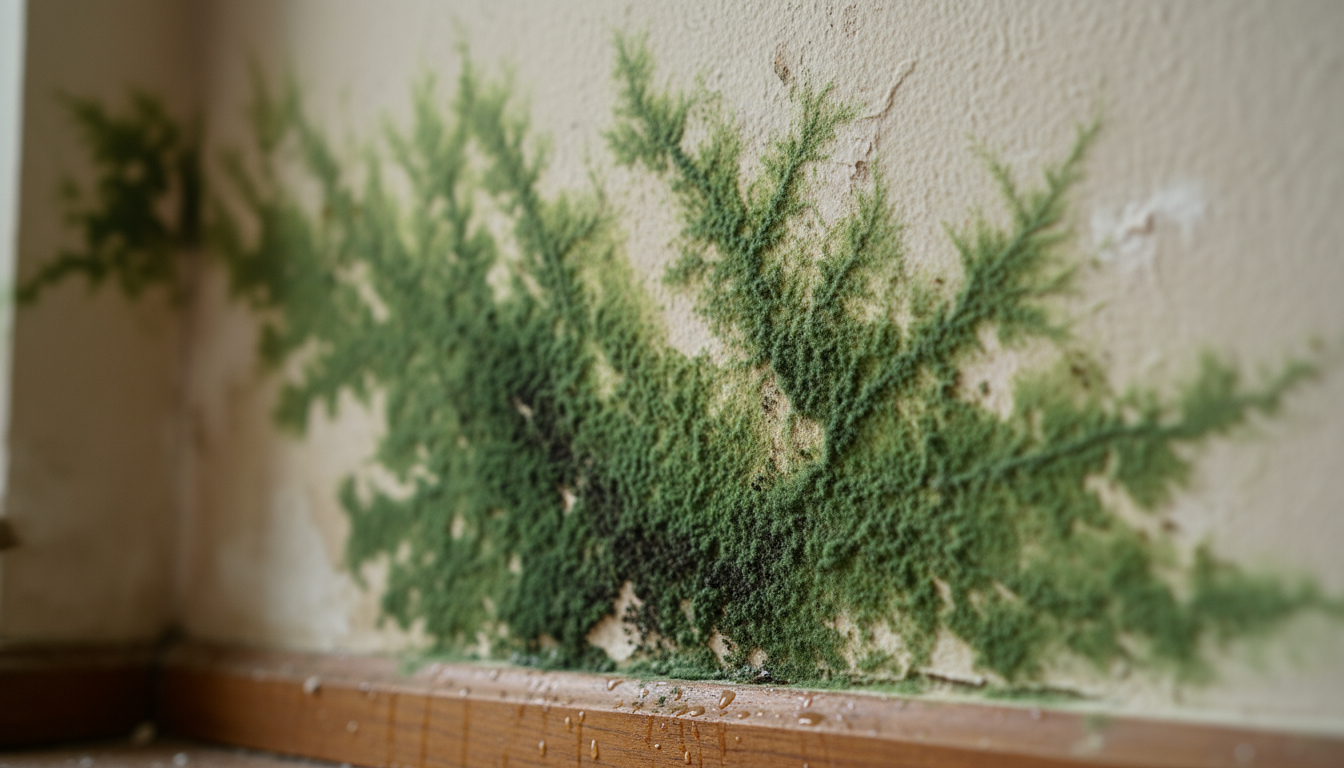
If you’ve ever seen greenish spots creeping over your walls, you probably have green mold, which is a frequent yet serious problem in homes. Green mold on walls isn’t only ugly; it may also be a sign of hidden moisture problems and be bad for your health and the health of your family.
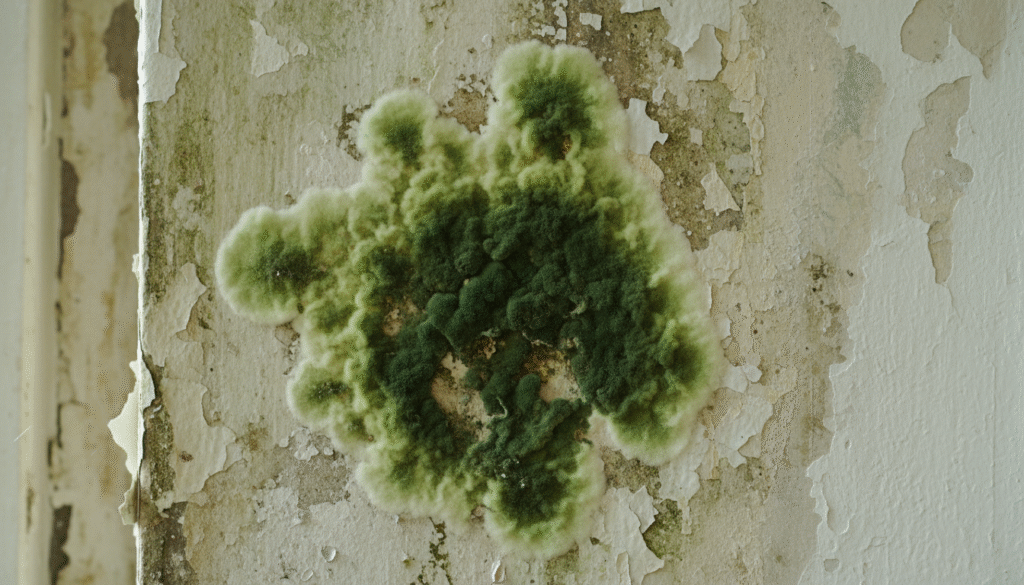
This post covers green mold on walls: what it is, why it grows on walls, how to spot it, how dangerous it is, and how to remove it and prevent its return. If you understand this early on, you can keep your house and your health safe.
What causes green mold on walls
When moisture, warmth, and organic material come together, they make a great place for mold spores to flourish. This is how green mold grows on walls. These spores are always in the air, but they need certain circumstances to grow and become visible. To stop green mold from spreading or hurting your home, you need to know what produces it.
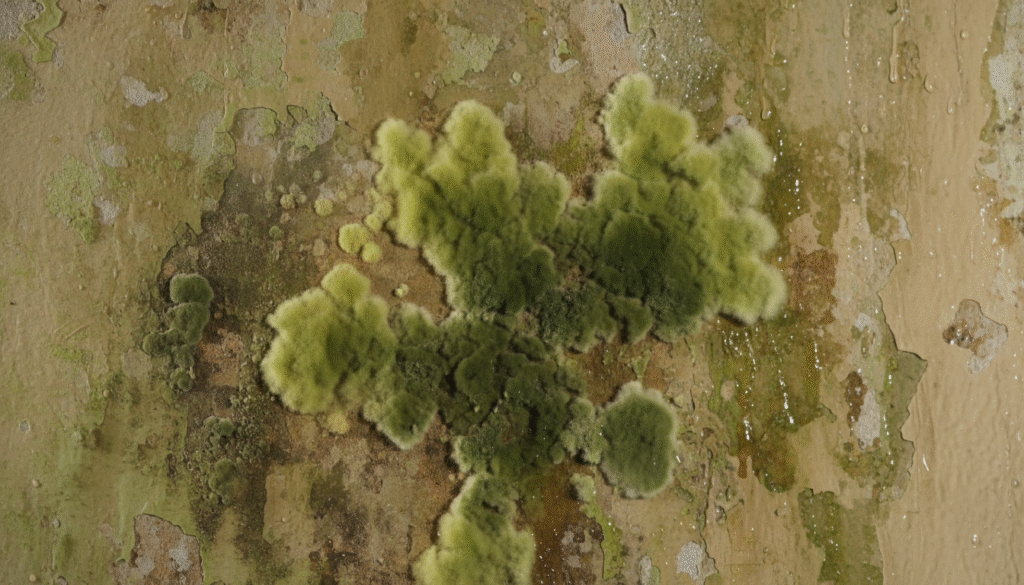
Let’s take a closer look at the most prevalent reasons why green mold grows on walls.
High Humidity and Excess Moisture
Too much moisture is what makes green mold grow on walls. Mold spores love damp places, so if the humidity in your home stays above 50–60%, it will be a good place for them to grow.
Everyday things like cooking, showering, or drying clothing inside can let moisture build up, especially in rooms that don’t have good ventilation. The most common places where this happens are bathrooms, kitchens, and basements, which always create steam.
Humidity stays in the air and lets green mold grow on painted walls, tiles, and even beneath wallpaper if there is no air circulation. The first approach to stopping mold from growing is to keep the humidity level in your home under control.
Water Leaks in the Walls
Another big reason for green mold on walls is water leaks that you can’t see. Plumbing pipes, roofs, and windows can all leak, which lets water into walls without anybody knowing.
This trapped water makes drywall, plaster, or insulation wet over time, which is the perfect place for green mold colonies to thrive. If you don’t treat even little leaks right away, they might turn into big mold problems.
You might initially notice that the paint is flaking, the wall is turning brown, or it smells musty. These are symptoms that mold is growing behind the wall. To stop mold from growing, always fix leaks right away and dry the areas that got wet completely.
Condensation on Cold Wall Surfaces
When warm, wet air from within hits cooler walls, condensation forms. This is especially true in spaces that aren’t well insulated. The water droplets that form can keep walls moist for a long time.
This happens more often in attics, basements, and near windows, where the temperature changes are bigger. This moisture buildup over time makes a great place for green mold to grow.
If you often see wet spots on walls in the morning or when it’s cold outside, condensation is probably to blame. This problem can be greatly lessened by using the right insulation and controlling the temperature.
Flooding or damage from water
If the area isn’t entirely dried off, green mold might start to form within 24 to 48 hours after a flood or big water leak. Moisture might still be stuck behind walls or under floors, even if the surface looks dry.
Flood-damaged regions are always wet, which lets mold spores proliferate quickly. The longer the moisture stays, the more likely it is that mold will ruin your paint, wallpaper, or walls.
If your home has flooded, you need to utilize expert drying equipment and check the walls with a moisture meter before sealing them up again.
Not enough airflow
One of the most common causes of green mold on walls is not enough air flow. Mold can grow when humidity stays inside because fresh air can’t move around adequately.
Rooms with no windows, toilets with no exhaust fans, and basements are all very easy to break into. If the air has nowhere to go, even things like showering or cooking every day can make the humidity inside go up.
Opening windows, utilizing exhaust fans, or putting in vents are all ways to improve ventilation that help keep moisture from building up and mold from growing on walls.
Organic Materials on the Walls
Mold eats organic things, and a lot of wall materials are made of biological matter. Organic chemicals in paint binders, wallpaper adhesive, drywall paper, and even dust can feed green mold.
Mold spores settle on these materials when they get wet and start to proliferate swiftly. Dust and grime can make the problem worse, especially in places that don’t get cleaned often or under furniture.
When you renovate or repaint your home, choose paint or primers that are resistant to mold to lower this danger.
Not Enough Sunlight
Green mold grows best in places that are dark and shady. sunshine naturally kills many kinds of mold spores; therefore, mold is more likely to grow in rooms that don’t get much or any sunshine.
Basements, walls that face north, and places that are concealed behind big pieces of furniture generally stay dark and cool. This is the perfect place for green mold to thrive.
Whenever you can, bring natural light into your home to stop this from happening. Moving furniture and opening drapes can help keep walls clear of mold.
Past Mold Problems
present is a strong likelihood that some mold spores will still be present even after you clean a wall that has had mold on it before. These spores can come back to life if the environment gets wet again and they aren’t properly cleaned or kept dry.
This is why mold keeps coming back in places that were cleaned but not thoroughly treated or dried. To get rid of spores completely, always use mold-killing products like vinegar, hydrogen peroxide, or store-bought antifungal cleansers.
Also, using mold-resistant materials to seal or repaint walls after cleaning will help keep mold from coming back. Also read Can Mold On Walls Make You Sick
Green Mold on External Walls
In wet and humid places, green mold on the outside walls is a regular problem. It frequently shows up as green or olive patches on surfaces outside, especially where there isn’t much sunlight or airflow. This mold can ruin the paint and structure of your home if you don’t do something about it.
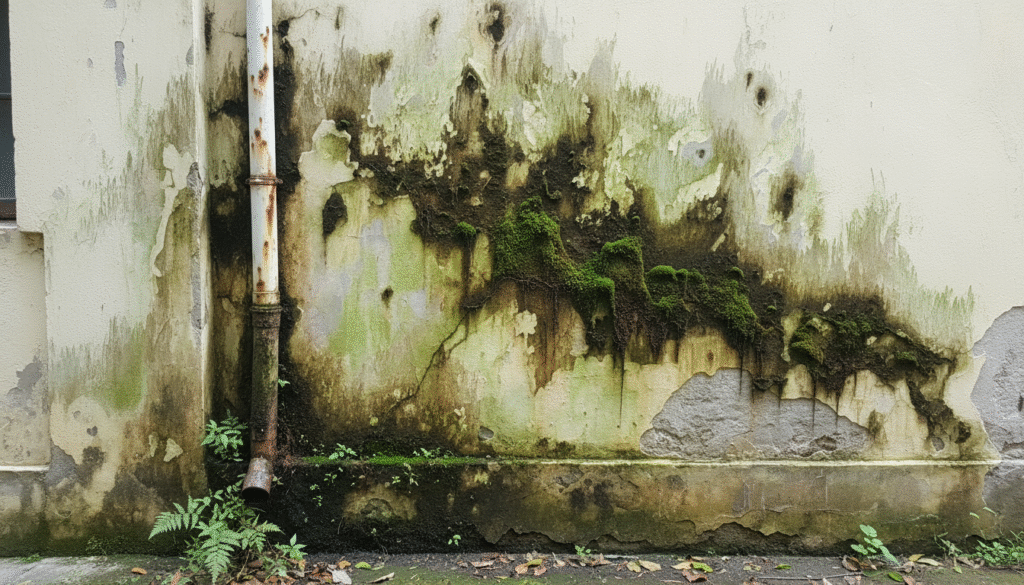
The main reason why green mold grows on outside walls is because they hold water. Mold spores start to proliferate when rain, humidity, or dew keeps the wall wet. Mold can spread more quickly on walls that aren’t well sealed or are constructed of porous materials.
Mold grows better when there isn’t enough sunlight. North-facing walls or sections obstructed by trees, for example, stay shaded for most of the day and dry slowly after rain. Green mold grows well in these dark, wet areas since sunshine doesn’t kill it.
Another reason is that the air doesn’t move around enough. Humidity often gets stuck in small gaps between buildings or behind fences. Because air can’t travel freely, moisture stays on the wall surface longer, which is great for mold and algae to thrive.
Mold can also grow on the outside of walls if there is dust, filth, and organic matter on them. Mold spores can eat these things. When they come into contact with water, they help mold stick to the wall. Cleaning it often helps keep it from building up.
Mold can also grow in walls that have cracks or leaks. Water that gets in through broken plaster or bricks keeps the wall moist from the inside. You may see greenish stains, paint that is peeling, or a musty smell over time. These are all symptoms that mold has taken over.
To get rid of green mold, use a garden hose or pressure washer to wash the wall, and then use a cleaning solution, such as vinegar or bleach that has been diluted. Use a brush to scrub lightly, then rinse well and let the wall dry. Use mold-resistant exterior paint to paint over it again so it doesn’t come back.
Make sure the area has good drainage, gets enough sunlight, and is regularly cleaned to avoid problems. Cut down trees that block light, clean out gutters, and patch cracks right away. Your home’s structure and curb appeal will be safe and mold-free if the outside wall is clean, dry, and well-ventilated.
Is green mold on walls dangerous
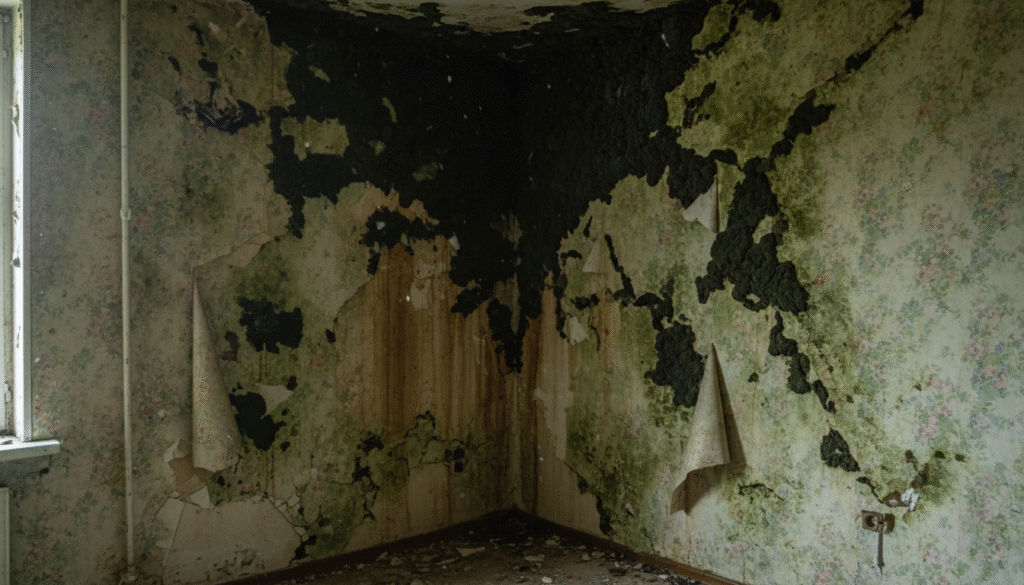
Green mold on walls can be hazardous for your health and the construction of your home. Green mold may not look as scary as black mold, but it can spread quickly if you don’t take care of it. It usually means that there is a lot of moisture in the area. Here is a detailed list of the key dangers and impacts.
Health Risks of Green Mold on walls
Cladosporium, Aspergillus, and Penicillium are some of the most frequent types of green mold. These fungi let out tiny spores in the air that are easy to breathe in. Over time, exposure can lead to many health complications, especially in individuals with allergies or weak immune systems.
Some common signs are sneezing, coughing, itchy eyes, a sore throat, and rashes on the skin. People with asthma or other breathing problems may find that their symptoms are worse in places where mold is present. Green mold can, though very rarely, cause lung infections or very bad allergic reactions, especially in kids and old people.
Hurt walls and surfaces
Green mold doesn’t just linger on the surface; it slowly breaks down the things it grows on. It eats biological matter that is in paint, plaster, and drywall. Over time, it can make the wall seem different, cause paint to peel, and even make the wall weaker.
If the wall stays wet, the mold can go deeper, which makes it harder to get rid of. This can lead to expensive repairs and make the area less durable in the long run. To stop this kind of damage, keep the walls dry and well-sealed.
Bad indoor air quality with a musty smell
A musty scent that sticks around in the air is one of the earliest indicators of green mold. This smell originates from the mold’s natural process of breaking down things on your wall. As time goes on, these spores get into the air and make it less clean.
If the air quality in your home is bad, it might feel stuffy and uncomfortable, and people who are susceptible to mold spores may get headaches and trouble breathing. This risk can be lowered by regularly letting in fresh air and filtering the air.
Mold Can Spread Fast
When green mold isn’t cleaned up, it can readily spread to surrounding walls, ceilings, and furniture. Mold spores can move through the air and land on any wet surface, where they can grow into new colonies. It gets harder and more expensive to get rid of once it spreads.
Cleaning small areas with a mold-killing substance and correcting leaks that let in moisture are examples of early intervention that stops green mold on walls from taking over your home.
When to Get Help
If green mold on walls covers a lot of ground (more than 10 square feet), comes back after cleaning, or causes damage that you can see, you should call a professional mold remediation agency. Experts can locate the source of the moisture, carefully remove the mold, and treat the area so that it doesn’t come again.
Conclusion
Green mold on walls is not just ugly; it also means that there is too much moisture in your home, which can be bad for your health and your home. If neglected, green mold can lead to allergies, breathing difficulties, and structural damage. It can grow inside or on outside walls. Keeping the area dry and well-ventilated and fixing leaks or wetness as soon as they happen are the best ways to stop mold from growing.
Cleaning your walls often, selecting paint that doesn’t grow mold, and making sure that water drains properly around your home can all help keep mold off your walls. If the mold keeps coming back or gets worse, it’s advisable to call a professional mold removal agency for aid.
You can keep your walls protected, the air in your home clean, and make your home safer and healthier for you and your family by acting quickly.