Can Mold On Walls Make You Sick
Can Mold on Walls Make You Sick? It’s tempting to think that black patches or fuzzy spots on your walls are just dirt or water damage. But you may be seeing mold, a silent invader that can harm your health without your knowledge.
So, can mold on walls make you sick? In summary, the answer is definitely yes. Long-term exposure to mold spores, especially poisonous types like black mold, can cause breathing problems, allergies, tiredness, and even significant health concerns.
This guide covers everything from how mold grows on walls to its health risks, how to remove it, and how to prevent it from returning.
What Exactly Is Mold, and Why Does It Grow on Walls?
Mold is a type of fungus that thrives in damp, humid environments. It reproduces by releasing tiny spores into the air, which settle on surfaces and grow when moisture is present.
Walls are one of the most common breeding grounds for mold because they often trap moisture from leaks, condensation, or poor ventilation.
Common Causes of Mold Growth on Walls
- Water Leaks: Plumbing leaks behind walls or roof leaks allow moisture to accumulate.
- High Humidity Levels: Areas with humidity above 60% provide ideal mold-growing conditions.
- Poor Ventilation: Bathrooms, basements, and kitchens without proper airflow trap moisture.
- Flood Damage: Even after drying, residual moisture can seep into wall materials.
- Condensation: Temperature differences between walls and indoor air cause water droplets to form.
Can mold on walls make you sick?
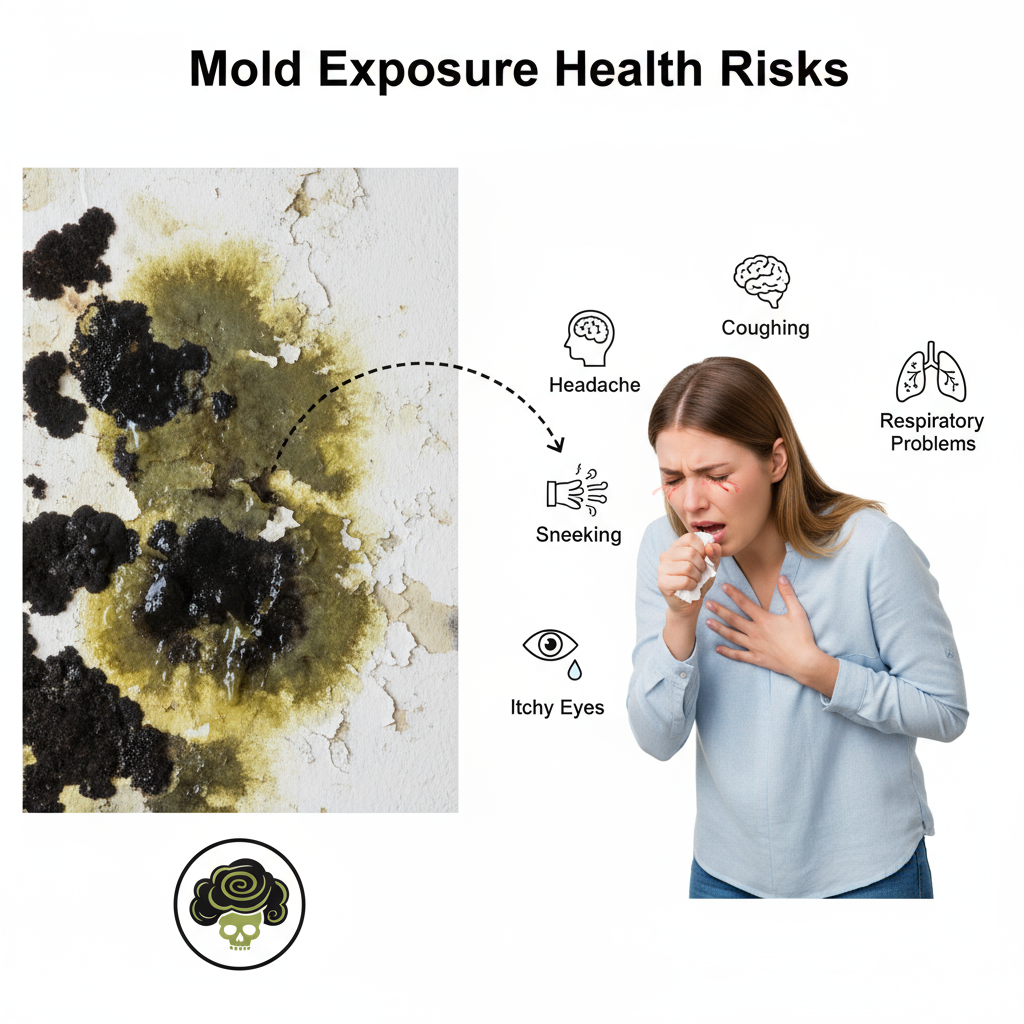
Yes, mold on walls may definitely make you sick, and it’s important to know how it affects your body to stay healthy. Mold is more than just a surface problem; it’s a living thing that makes spores that float through the air and potentially poisonous byproducts called mycotoxins. When these things get into your lungs or touch your skin, they can cause a wide range of health concerns, from moderate allergies to major respiratory or neurological symptoms.
Let’s take a closer look at how this happens.
How Mold Affects the Body
When mold grows on your walls, it continuously releases microscopic spores into the air. These spores are small enough to be inhaled deep into your lungs without you realizing it. Some molds, particularly black mold (Stachybotrys chartarum), also produce mycotoxins—chemical substances that can irritate, inflame, and even damage your body’s cells.
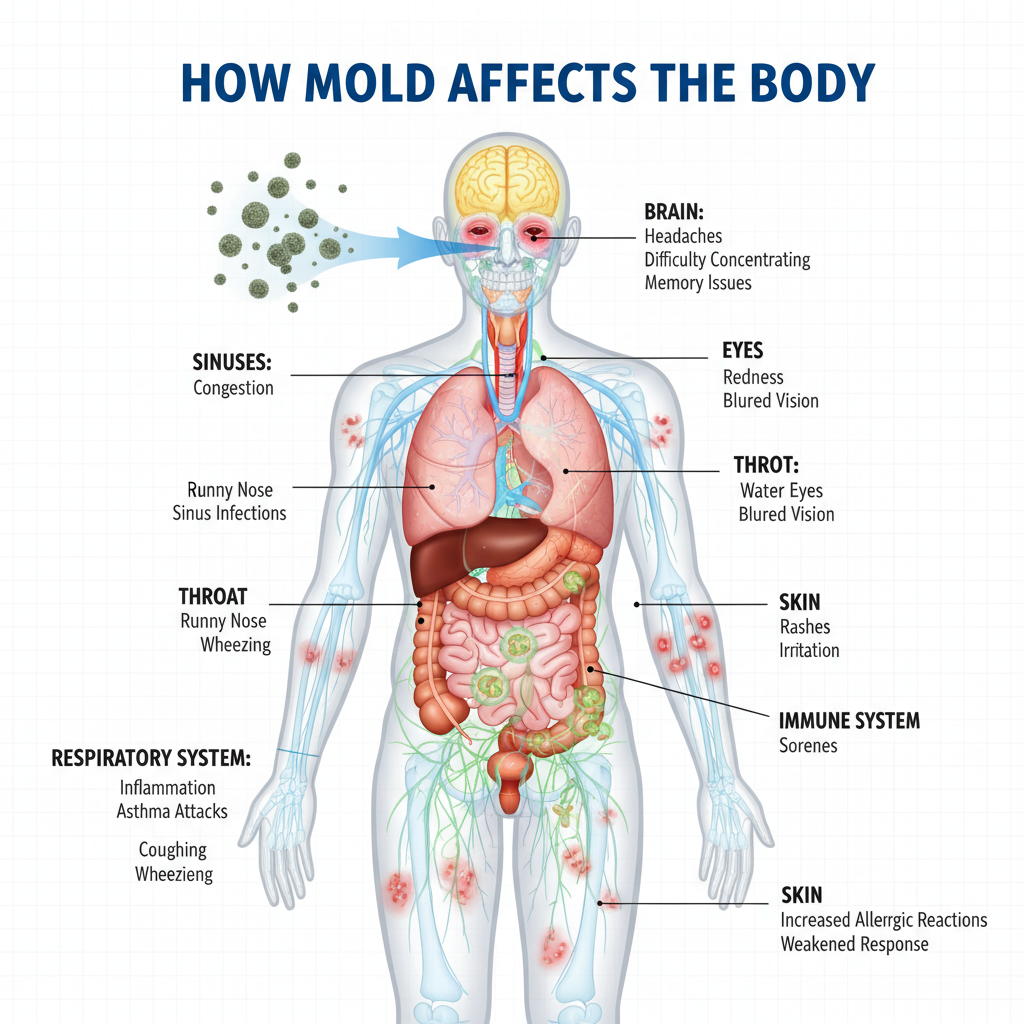
Once these spores or toxins enter your system, your body reacts in several ways:
- Immune response: Your immune system identifies mold spores as foreign invaders and releases histamines, leading to inflammation, sneezing, coughing, and other allergic reactions.
- Respiratory irritation: Mold spores can irritate the lining of your nose, throat, and lungs, causing breathing difficulties, especially for those with asthma or chronic respiratory diseases.
- Toxic effects: Certain molds produce mycotoxins that can disrupt normal cell function, contributing to fatigue, dizziness, or, in severe cases, neurological symptoms.
In short, exposure to mold on walls can affect both your respiratory system and your immune system, depending on the extent of contamination and your personal health.
The Role of Mycotoxins
Mycotoxins are poisonous substances produced by some types of molds as a defense mechanism. Black mold is particularly notorious for producing trichothecenes, a class of mycotoxins that can cause:
- Chronic coughing or wheezing
- Skin irritation and rashes
- Memory issues or brain fog
- Fatigue and headaches
Unlike ordinary allergens, mycotoxins can persist in indoor environments and even settle into fabrics, furniture, or HVAC systems, continuing to affect air quality and human health over time.
How Exposure Level Affects Severity
The duration and extent of exposure play a huge role in how sick mold can make you.
- Short-term exposure (a few days to weeks): May cause mild allergic symptoms like sneezing, itchy eyes, or skin irritation.
- Long-term exposure (months or years): Can lead to chronic respiratory issues, fatigue, sinus infections, or more serious conditions—particularly if black mold is involved.
If you spend long hours in a mold-contaminated room (like a damp bedroom or basement), you’re inhaling spores constantly, giving your immune system no time to recover.
Individual Factors That Influence Mold Sensitivity
Not everyone reacts to mold exposure the same way. Some people may not feel sick at all, while others develop severe reactions even after minimal contact. The difference lies in individual sensitivity and overall health.
Here are the main factors:
a. Type of Mold
Different molds affect people in different ways.
- Black mold (Stachybotrys chartarum): Produces toxic mycotoxins and is considered the most dangerous.
- Aspergillus and Penicillium: Common indoor molds that can cause allergic reactions and respiratory infections.
- Cladosporium: Triggers asthma-like symptoms and eye irritation.
b. Duration and Frequency of Exposure
Someone exposed to mold daily (such as living in a damp apartment) will experience stronger and more persistent symptoms compared to someone exposed occasionally.
c. Individual Health and Immune Strength
People with weakened immune systems, asthma, COPD, or allergies are more likely to experience severe mold-related illnesses.
Infants, young children, and the elderly are also at greater risk because their immune defenses are less resilient.
Who Is Most at Risk?
While mold exposure can affect anyone, some groups are particularly vulnerable:
- People with respiratory conditions: Those with asthma or chronic bronchitis often experience flare-ups.
- Allergy sufferers: Mold acts as an allergen that can worsen existing symptoms.
- Elderly individuals: Weakened immunity makes them less capable of fighting off mold-related infections.
- Infants and children: Their developing respiratory systems are more sensitive to airborne irritants.
- People with compromised immune systems: Cancer patients, transplant recipients, or those on immunosuppressant medications face higher risks of infections from mold.
Long-Term Health Effects of Mold Exposure
Continuous exposure to mold on walls—especially toxic varieties—can result in long-term health effects such as:
- Chronic sinus infections or nasal inflammation
- Persistent fatigue or weakness
- Neurological symptoms (memory loss, confusion, mood changes)
- Asthma development in children or worsening of existing asthma
- Hypersensitivity pneumonitis, an inflammatory lung condition
Some studies also suggest that prolonged exposure to mycotoxins may contribute to immune dysregulation or autoimmune-like symptoms in susceptible individuals.
Why Mold on Walls Is Especially Dangerous
You can’t always see mold growing on walls. It might develop under wallpaper, inside drywall, or under paint, where moisture is trapped. As it expands, it keeps releasing spores into the air inside your home. This makes it such that you are always exposed to mold, even when you can’t see it.
That’s why you should pay attention to even “small” mold patches. They are often part of a much larger colony that can hurt your health over time without you knowing it.
Conclusion
So, can mold on walls make you sick? Yes, for sure. Mold is more than just an eyesore; it’s an indication of moisture problems that can be bad for your health if you don’t deal with them.
Detecting problems early, cleaning them up properly, and taking steps to avoid them may keep your home and health safe. If you observe mold or have symptoms of mold exposure, you should act right away. Find the source of the moisture, clean the area that has mold, and get expert treatment if you need it.
The best way to avoid getting sick from mold is to keep your home clean, dry, and well-ventilated.
One Comment